
Ten Essential Branding Touchpoints Every Business Should Focus On
Building a strong brand means more than just a memorable logo or catchy slogan. Every interaction a customer has with your business shapes their perception of your brand. These moments, known as branding touchpoints, influence trust, loyalty, and ultimately, your success. Understanding and managing these touchpoints helps businesses create consistent, positive experiences that stand out in competitive markets.
Here are ten key branding touchpoints every business should focus on to build a clear and lasting impression.

1. Visual Identity
Your visual identity includes your logo, colour palette, typography, and overall design style. This is often the first thing people notice about your brand. Consistency across all materials—from your website to packaging—helps customers recognise and remember you. For example, the iconic red and white of Coca-Cola instantly signals the brand without words.
2. Website Experience
Your website acts as a digital storefront. It should be easy to navigate, visually appealing, and mobile-friendly. Fast loading times and clear calls to action improve user experience. A well-designed website builds credibility and encourages visitors to explore your products or services further.
3. Customer Service
Every interaction with your customer service team shapes how people feel about your brand. Friendly, helpful, and timely responses build trust. For instance, Zappos is famous for going above and beyond in customer support, which has helped them build a loyal customer base.
4. Product Packaging
Packaging is a physical touchpoint that can delight customers and reinforce your brand values. Sustainable packaging, clear labelling, and attractive design all contribute to a positive experience. Apple’s minimalist packaging reflects its brand’s focus on simplicity and quality.
5. Social Media Presence
Social media platforms offer a chance to engage directly with your audience. Sharing useful content, responding to comments, and maintaining a consistent tone helps build community. Brands like Innocent Drinks use humour and friendliness on social media to strengthen their identity.
6. Advertising and Promotions
Your adverts should reflect your brand’s personality and values. Whether online or offline, clear messaging and consistent visuals help reinforce your brand. A well-targeted campaign by John Lewis during Christmas has become a yearly event that customers eagerly anticipate.
7. Physical Environment
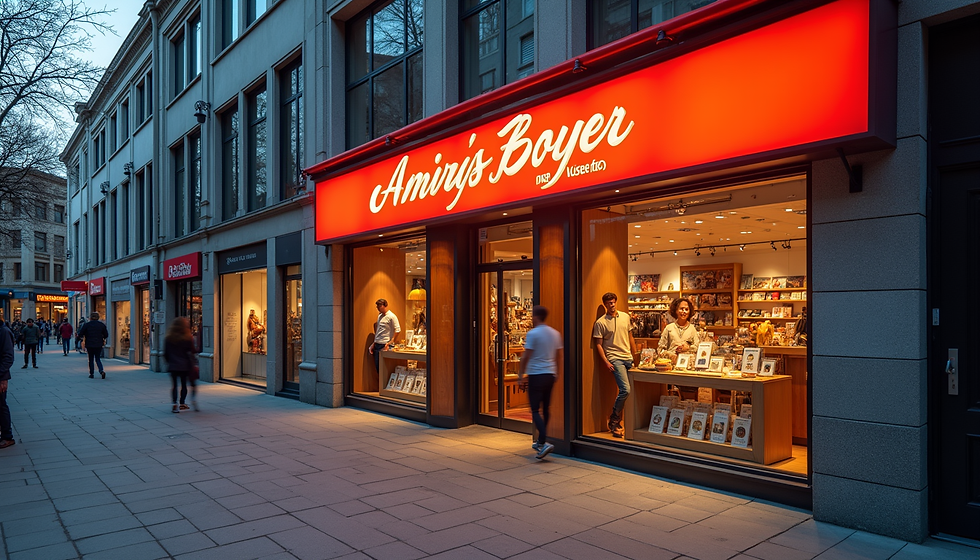
If you have a physical location, the atmosphere and design should reflect your brand. From lighting to music and staff uniforms, every detail counts. Starbucks creates a welcoming, comfortable environment that encourages customers to stay longer.
8. Email Communication
Emails are a direct line to your customers. Personalised, relevant content with a clear brand voice keeps your audience engaged. Regular newsletters or updates that provide value rather than just sales pitches help maintain interest.
9. Employee Interaction
Your employees represent your brand in every interaction. Training staff to embody your brand values ensures consistent messaging. For example, the Ritz-Carlton empowers employees to create memorable experiences, reinforcing their luxury brand image.
10. Reviews and Testimonials
Customer reviews and testimonials influence buying decisions. Encouraging honest feedback and showcasing positive experiences builds credibility. Brands like TripAdvisor have built entire businesses around trusted customer reviews.

Comments